All Posts By

rosalindk

SMSG Red List placement: Hino Tanaka

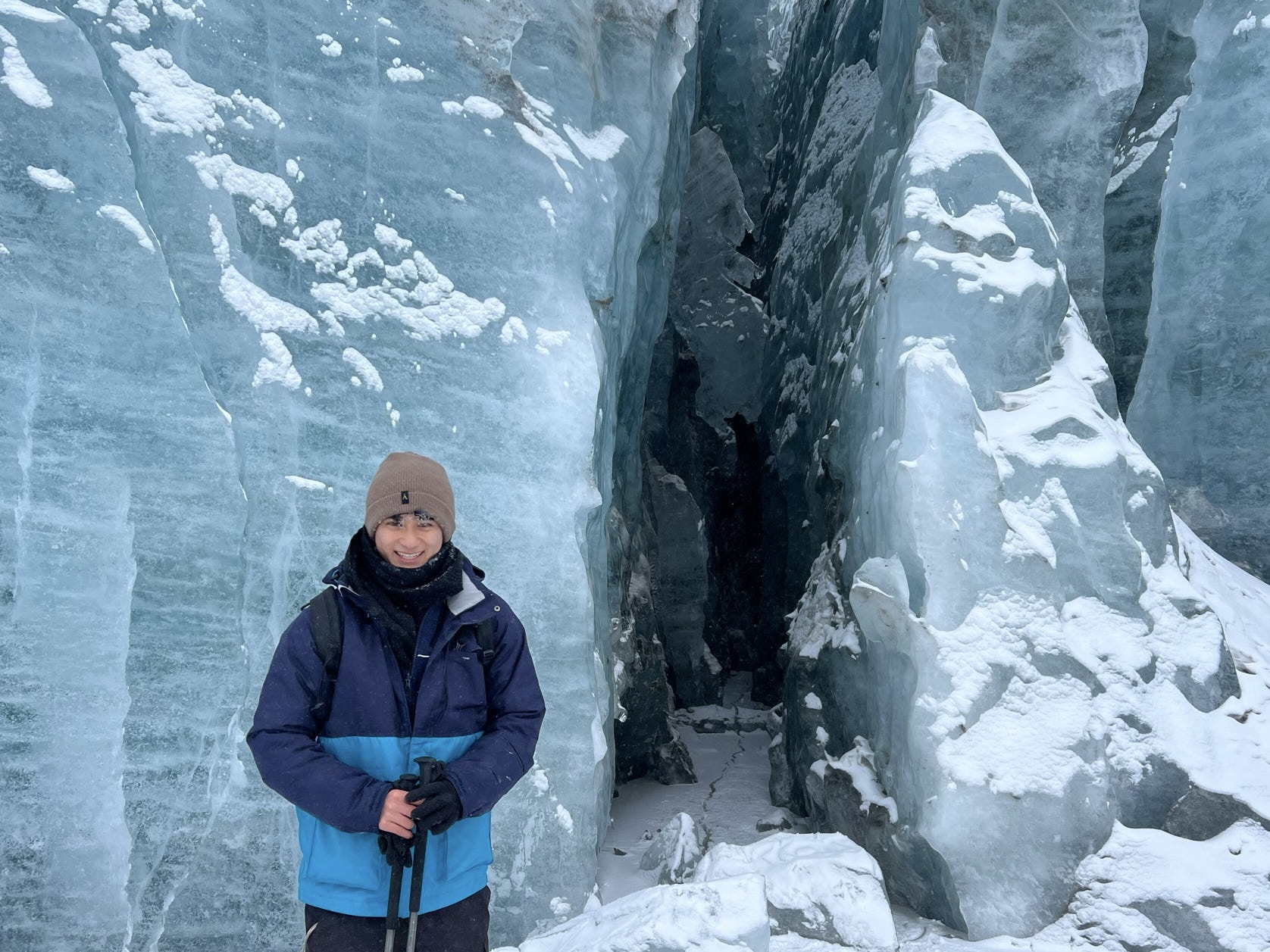
This summer, the SMSG team has been pleased to be joined by Hino Tanaka, who is based at Middlebury College, Vermont.  He is working in the lab of Dr. Alexis Mychajliw and concentrating on Japanese small mammals. Hear from Hino about his research assistant placement here:

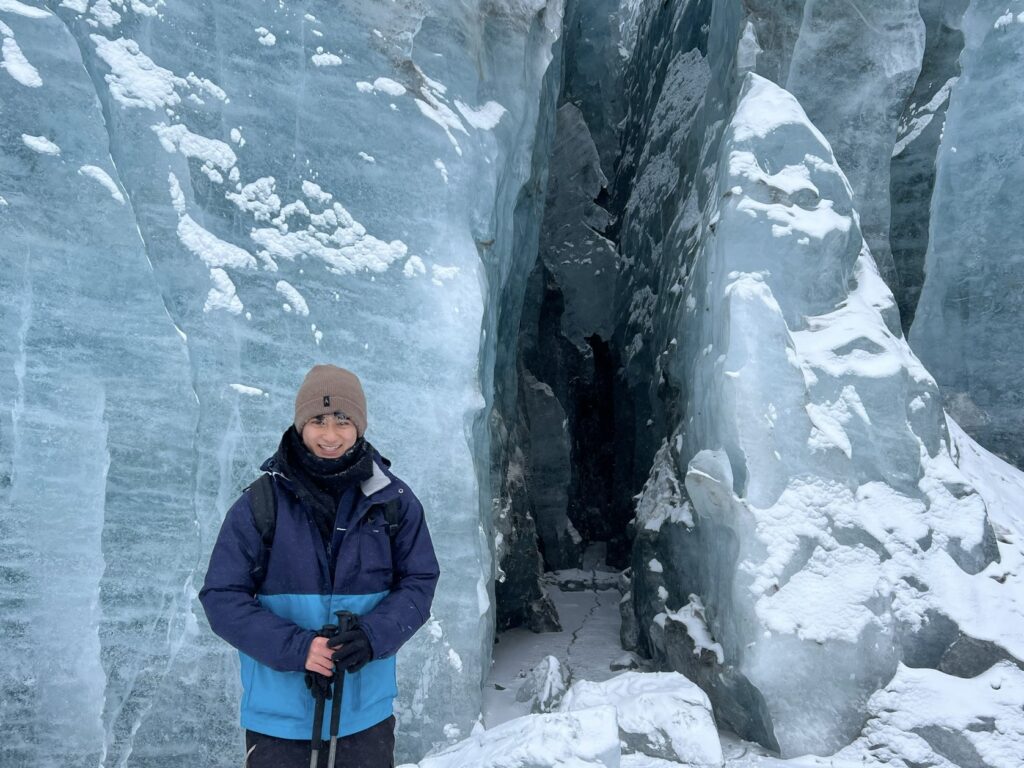
Hino during a trip to Greenland

I study Geography at Middlebury College, where I use GIS and cartography to explore questions of visibility: how maps make overlooked landscapes, species, and histories visible. My advisor, Professor Jeff Howarth, has deeply shaped my approach to mapping, spatial analysis, and interdisciplinary geography. Building on these interests, I am working this summer as a research assistant with Professor Alexis Mychajliw, who connected me with Dr. Ros Kennerley and the Small Mammal Specialist Group to contribute to IUCN Red List reassessments for small mammal species endemic to Japan.

So far, I have started with Japanese shrews, including the Shinto shrew and Azumi shrew. I review scientific literature in both English and Japanese, prepare reassessment drafts, and create distribution maps using occurrence and elevation data. I have really enjoyed seeing how the Red List process brings together taxonomy, ecology, spatial data, and careful scientific communication.

This theme of visibility also shapes my broader cartographic work on colonial history, environmental change, and representation. Previous projects have examined land use and colonial legacies in Okinawa, as well as historical land-use change in Hokkaido. My undergraduate thesis focuses on Ainu place names in Hokkaido, using cultural cartography and toponymy to examine Indigenous cultural and linguistic persistence under Japanese colonialism.

Looking ahead, I hope to keep working at the intersection of GIS, data analysis, visualization, and design, especially on projects that make complex or underrepresented issues easier to see. Working with the SMSG has been an exciting opportunity to apply those interests to global conservation, and to help make Japan’s small mammals more visible in conservation assessments.

Kha-nyou – An ancient enigma with an identity crisis

We are delighted to share with you a guest article from the Saola Foundation:


History Channel’s Mysteries Unearthed feature on R. J. Timmins’s discovery of the so-called ‘Laotian Rock Rat’
A rebuttal by R. J. Timmins


Kha-nyou Laonastes aenigmamus – An ancient enigma with an identity crisis


A recent spotlight by the History Channel on the Kha-nyou, a largely unknown endemic species of the Annamite Mountains Bioregion, brought much needed global interest to this unusual species and to the irreplaceable ecosystem it inhabits. However, we are compelled to raise a significant rebuttal to the History Channel’s unfortunate use of the name ‘Laotian Rock Rat’, a modern-day case of mistaken identity for this fantastic creature. The Kha-nyou, an ancient representative of the Order Rodentia, is many things, but it is NOT a rat!

I first came across the Kha-nyou on the 4th of February 1996, during a morning visit to a fresh food market in central Lao PDR, where I’d gone especially to see what wild animals local inhabitants were hunting and selling. Within a matter of moments, and after a quick examination of the two Kha-nyou carcasses on the ground in front of me, I knew I was looking at an undescribed species to science. What I didn’t realise, however, was just how extraordinary, from a scientific perspective, the discovery of the Kha-nyou was. But standing in the morning market in early February, I at first wondered whether this creature could be allied to squirrel taxa in East Asia or the Sundas with which I was unfamiliar.
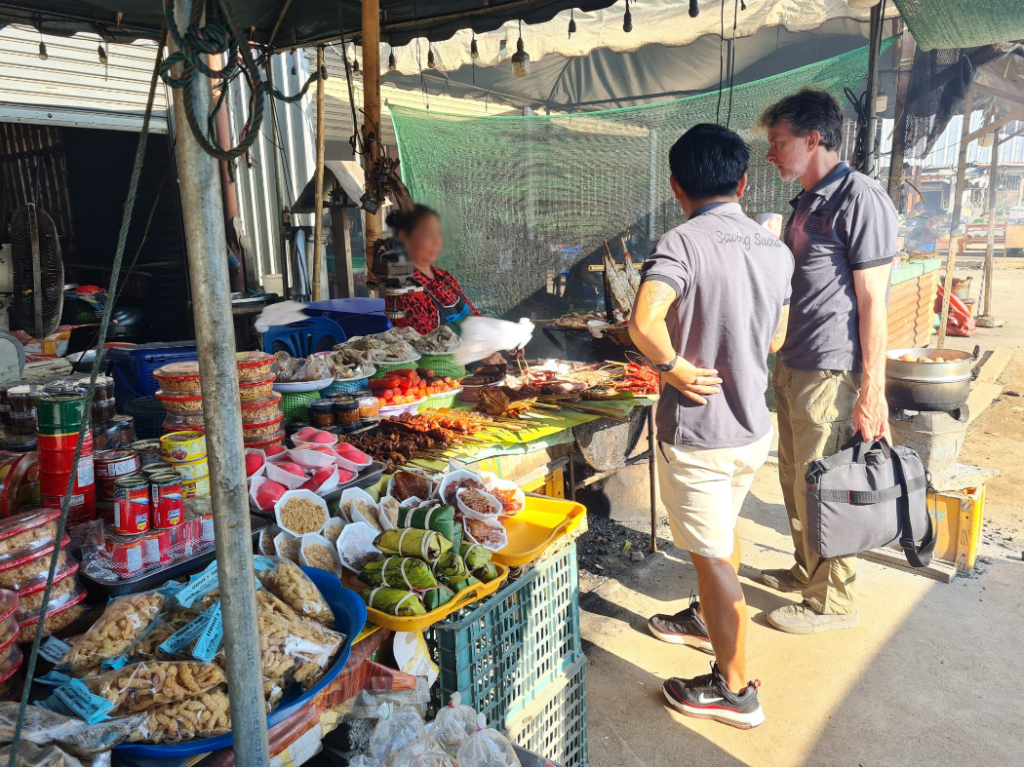
Author visiting a market in Lao PDR

The Kha-nyou is about 26 cm in head and body length – a size very similar to an Eastern Grey Squirrel Sciurus carolinensis, for those familiar – with short limbs, a densely-haired tail only about half the length of its head and body combined, and a long head with extremely long whiskers. It is various shades of grey in colour, with a ‘mane’ of dark hair from its nape along the dorsum of its neck. The Kha-nyou lives in the limestone karst landscapes of central Lao and Vietnam, is nocturnal and forages over rock and ground, but apparently does not climb in vegetation, and rests, and presumably ‘nests’, in holes and crevices within the limestone. Captive animals are generally docile and placid.

To state my challenge to the History Channel’s piece head-on, the Kha-nyou is not a ‘rat’, and doesn’t have anything in common with the ‘rat family’ other than being, like a squirrel, porcupine, or chinchilla, a member of the Order Rodentia. I was horrified to have this name attributed to me.

You can’t really appreciate the ‘enigma’ in this species’s scientific name, Laonastes aenigmamus, without taking a deep dive into the taxonomic lineage. With an ancestral position within the Order Rodentia, the Kha-nyou’s closest living relatives are thought to be the African gundis of the Family Ctenodactylidae, which together are ancestral ‘basal’ members of the Suborder Hystricomorpha. This Suborder includes the likes of porcupines, chinchillas, and capybaras amongst others. Importantly, the rats, mice, and squirrels are in completely different suborders. The Kha-nyou is now recognised as likely to be the sole living representative of the Family Diatomyidae, otherwise only known from fossils from Eastern Europe, South, Southeast, and East Asia, spanning the last c. 11–33 million years. The Kha-nyou is remarkably similar to the fossil species Diatomys shantungensis, known from the mid Miocene (c. 11 million years ago) of China, and the two are likely to be very closely related; however, they are still considered different species in different genera. The c. 11 million-year gap in the fossil record from the Miocene to the present, along with the discovery of fossils prior to a living animal, has earned the Kha-nyou the designation of a ‘Lazarus’ taxon. Intriguingly, genetic studies suggest Kha-nyous might actually represent several different morphologically near-identical species, some of which potentially diverged on their separate evolutionary paths millions of years ago!
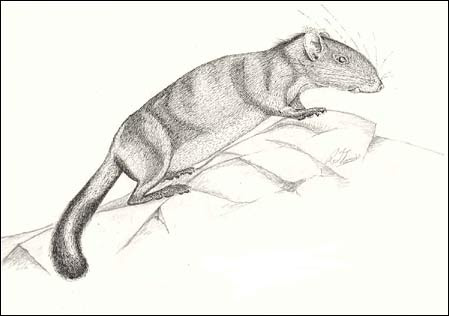
Kha-nyou drawing by author

The Kha-nyou shares a remarkable trait with a number of other endemic and near-endemic species of the Annamite Mountains Bioregion, as a living descendent, little changed for more than 10 million years, of the presumed former Annamites Miocene fauna. Evolution, contrary to common belief, has no direction or goal, and like other species in the Annamites Bioregion, e.g. the Annamite Striped Rabbit, Saola, and Owston’s Civet, the Kha-nyou seems likely not to have changed much over the last 10+ million years, most likely because of environmental stability in the Annamite Bioregion over the same time period. As the saying goes, ‘if it ain’t broke, don’t fix it’ – in other words, why would change happen if there is no pressure to adapt?

Of course, humans have likely known of the existence of Kha-nyous for 70,000 years or more, and before that our Homo ancestors may have known them for a million years. Limited evidence suggests that, from a population perspective and relatively speaking, the Kha-nyou is not facing a high risk of extinction, and for this reason is listed as Least Concern on the IUCN Red List. This prognosis is largely a consequence of the habitat it calls home, jagged rocky limestone karst landscapes that do not have many alternative uses from a human perspective and are also difficult for human hunters to penetrate. Kha-nyou habitat is relatively impervious to drastic large-scale change; small areas are utilised for cement production and other forms of mining, but these represent a very small proportion of the total. Nevertheless, Kha-nyous are likely to have been exploited as a food source for a very long time, and that continues to this day. Kha-nyous are typically caught using traditional wooden and / or bamboo traps. As a relatively small nocturnal animal with no known value beyond its meat value, still large areas of limestone karst remaining, and no clear evidence of strongly declining populations, it is hopefully a species we do not need to worry too much about in the near term (but of course we’ll be keeping an eye on them).

In summary, History Channel, we commend you for bringing much needed attention to this overlooked region, a living museum of the former Miocene and earlier biodiversity, and in need of urgent action to prevent further unrecoverable loss of biodiversity. We respectfully challenge the use of the name ‘Laotian Rock Rat’ and advocate instead for the local name, ‘Kha-nyou’, which has served this enigmatic creature perfectly for perhaps thousands of years. And, if I and the Saola Foundation have anything to do with it, this name will do just fine for many, many more years to come.

Meet the Texas A&M team: Javier Garcia Saldana

Javier Garcia Saldana

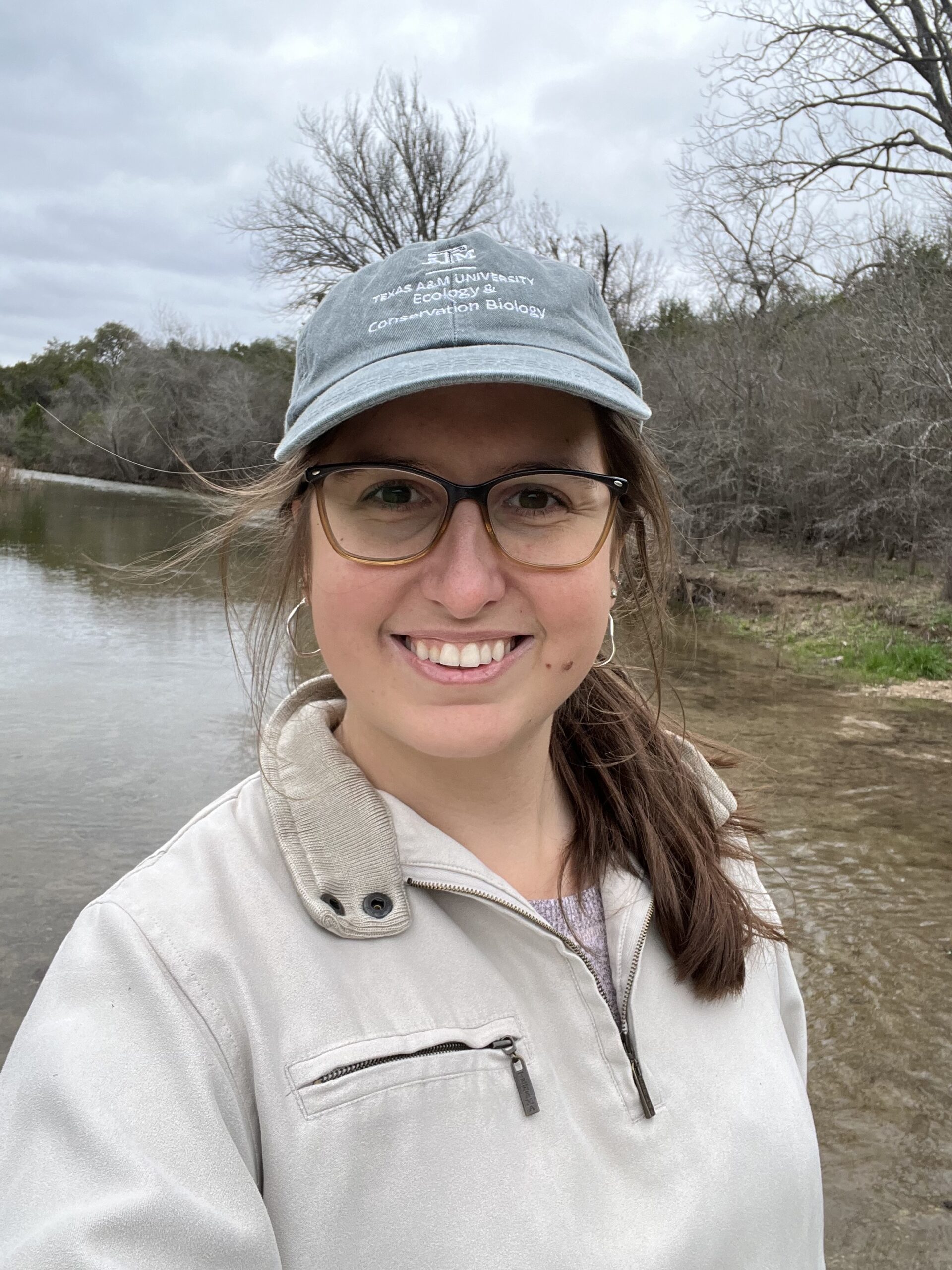
We are delighted to have a new team member based at our partner institution Texas A&M UniversityJavier Garcia Saldana will contribute to the work undertaken by Texas A&M University, who lead our IUCN Red List work in the Americas. Hear from Javier below:


Javier Garcia Saldana

Javier Garcia Saldana

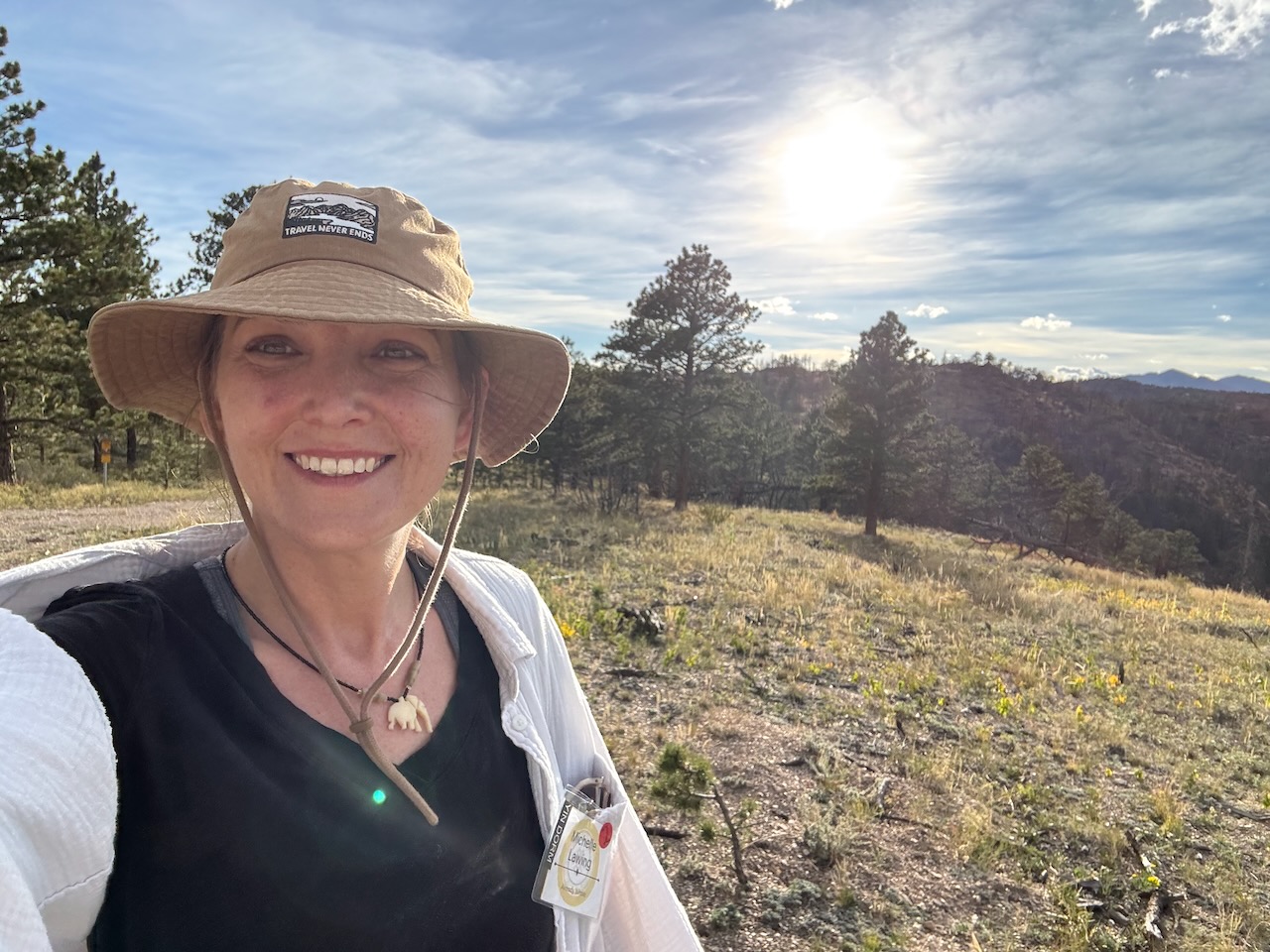
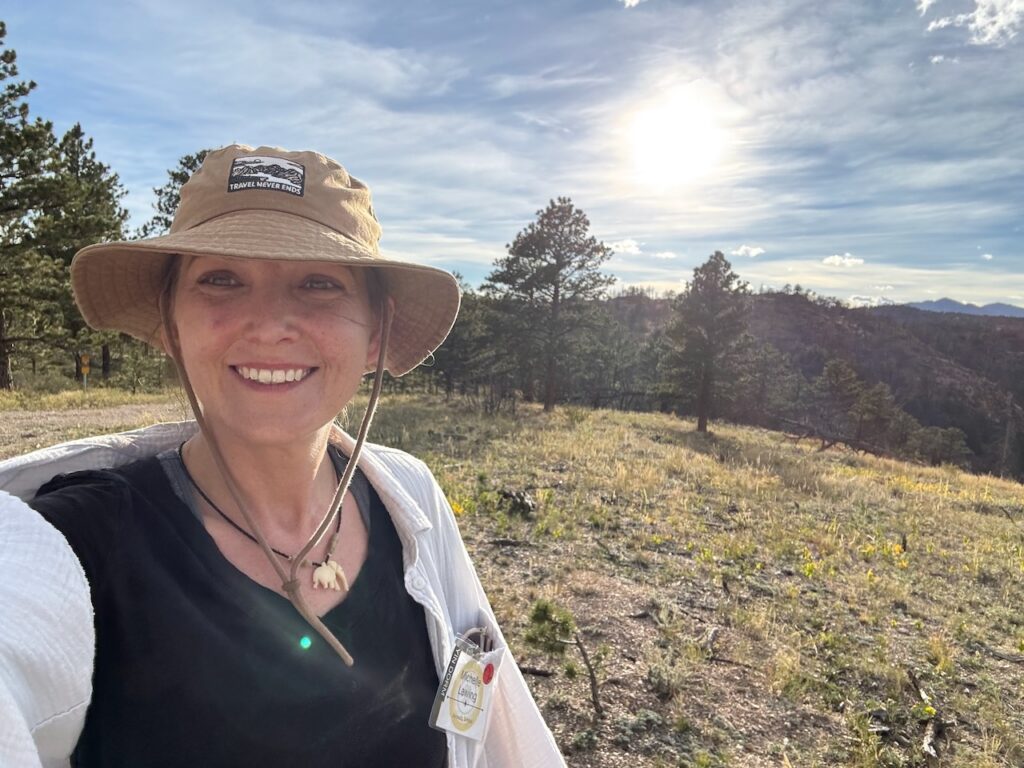
“I am a graduate research assistant under Dr. Michelle Lawing at Texas A&M Universitywhere I also serve as a graduate assistant for the IUCN SSC Small Mammal Specialist Group. I earned my Bachelor of Science in Wildlife and Fisheries Science from Texas A&M and am currently pursuing my Master of Science in Ecology and Conservation Biology. In February 2026, I completed the official assessor training through Texas A&M’s extinction risk assessment course. Through my academic and research background, I have gained valuable insights into ecology and conservation that directly align with the Specialist Group’s mission: to serve as the global authority on the world’s small mammals through developing a greater scientific understanding of their diversity, status and threats, and by promoting effective conservation action to secure their future.

I am thrilled to join the team and contribute to global species conservation management. During this one-year position, I look forward to analyzing the conservation status of small terrestrial vertebrates, evaluating state and regional conservation data, and mapping species distributions over time. As an early-career conservation biologist, I am particularly excited about learning about new species and how to promote effective conservation actions within this framework.”


© Jared Hobbs

Meet the Texas A&M team: Nicole Stevens

Nicole Stevens

Through our wonderful partnership at Texas A&M University, who lead our efforts on Red Listing for the Americas, we are pleased to introduce you to one of the newer members of the team: Nicole Stevens. Hear from Nicole below:


Nicole Stevens

Nicole Stevens

“I am currently a research assistant under Dr. Michelle Lawing at Texas A&M University and have been working closely with the Small Mammal Specialist Group. I passed the assessor training in May 2025 and now lead reassessments of small mammals in the Americas, primarily in Mexico. I draft the initial Red List assessment, create range maps, and meet with experts to finalize details and prepare assessments for publication. Through international collaborations, we define the current Red List status of each species and provide current information about population, ecology, and threats. This process has been incredibly rewarding, and I have really enjoyed learning more about each of these species.

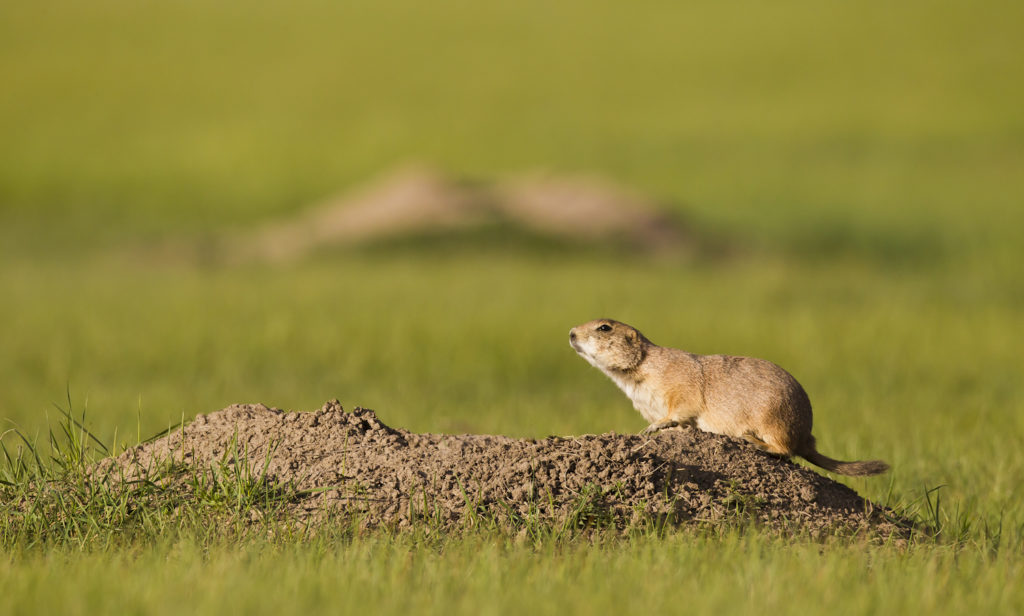
So far, I have helped assess mice, rats, shrews, squirrels, a prairie dog, and an agouti and I have 30 draft assessments prepared in various stages of review. This has been an amazing opportunity to be a part of a global conservation network and provide up to date information about at-risk species. Insight into the assessment process has also been very useful for my PhD dissertation, as one of my projects utilizes Red List data to analyze the global impacts of invasive species on native lizards.

The remainder of my PhD research focuses on interactions between introduced mammals and native lizard species in the Caribbean, and mechanisms for improving coexistence. I am incredibly grateful to the SMSG team and to have had this opportunity to learn, connect with experts, and contribute to global assessments!

To find out more about Nicole’s research visit her ResearchGate page or check out Google Scholar.

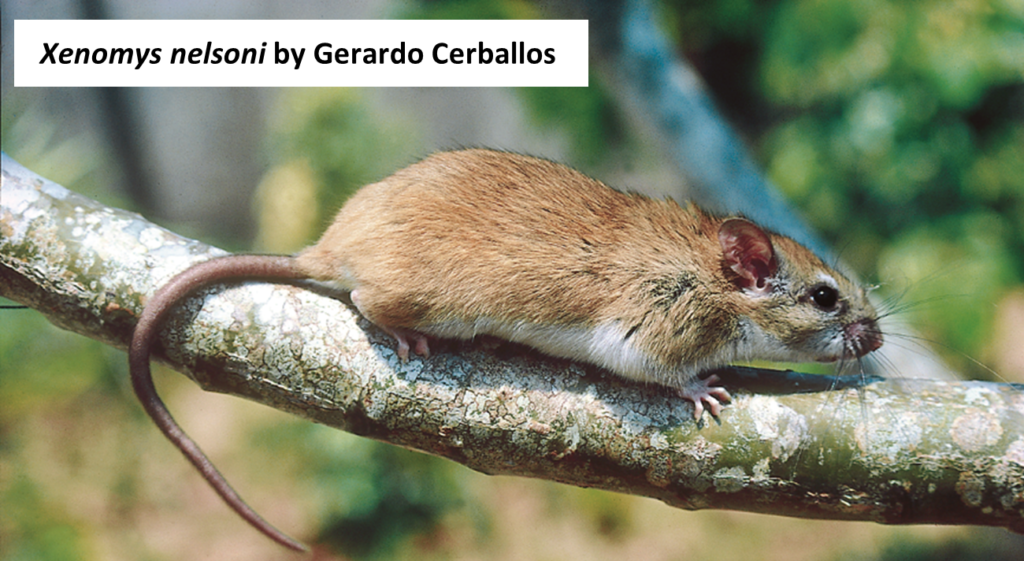
Xenomys nelsoni

Xenomys nelsoni, one of the Mexican species recently updated on the Red List

The latest ups and downs on the Red List & brand new Green Status of Species assessments

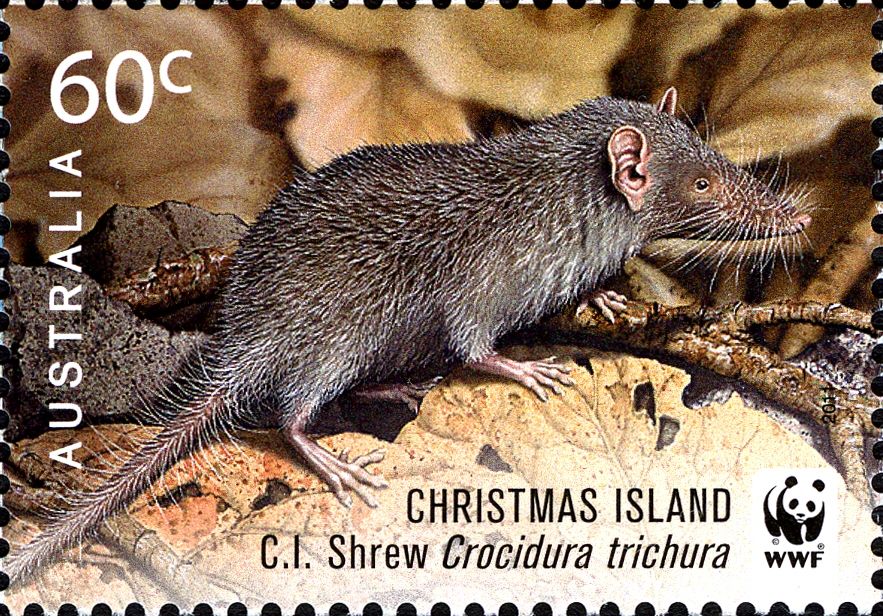
Christmas Island Shrew stamp

The IUCN Red List of Threatened Species has just published its second update of the year (10 October 2025), including reassessments for many small mammal species submitted by the Small Mammal Specialist Group. So, what’s changed and what’s new? Check out some of the first time assessments for newly described species and some Green Status of Species assessments we’ve contributed to.

Christmas Island Shrew stamp

Christmas Island Shrew (Crocidura trichura) – Extinct

There have been no confirmed records of the Christmas Island Shrew since 1985, despite surveys and many studies. Extinction can be difficult to prove, especially for a species as cryptic as the shrew, however, on the balance of evidence, this species has been assessed as Extinct. Extensive clearance of its rainforest habitat for mining, introduced diseases, and invasive predators are all likely to have caused the loss of this species.

Read a full article about the species by SMSG member Prof. John Woinarski here.

Chingawa Forest (J. Bryja)

Harenna Mouse (Mus harennensis) – Vulnerable 

This mouse is endemic to Ethiopia, where it is known from the Bale Mountains (with most records from the Harenna forest) and the Chingawa forest. It is inferred to be experiencing a continuing decline in habitat quality as the Chingawa forest is unprotected and suffering losses of natural habitats due to agriculture, such as from increased coffee production. Urgent actions are needed to help preserve this unique forest.

Photo credit: J. Bryja

Chingawa Forest Rat (Chingawaemys rarus) – Critically Endangered  

Only known from a single specimen collected from the type locality in the Chingawa Forest of southwestern Ethiopia. It has not been recorded again despite trapping at the type locality and has not been recorded in other forest fragments in the region, therefore it is assumed that the species is rare. The Chingawa Forest is unprotected and is threatened by various human activities, including intensive coffee cultivation which has increased in recent years.
Ethiopia is a Key Region for small mammals, because of the high numbers of globally threatened species.

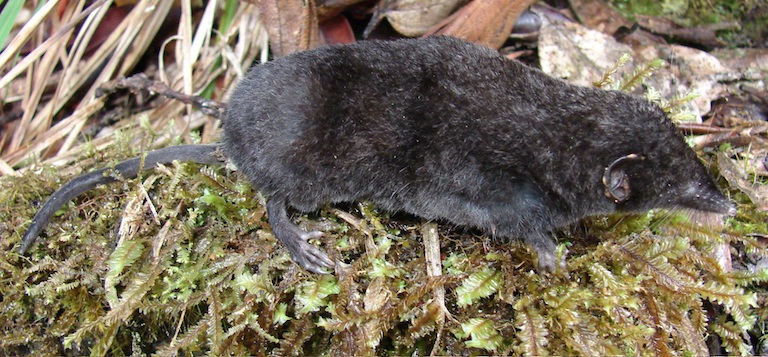
Palawanosorex muscorum

Palawan Moss Shrew (Palawanosorex muscorum) Near Threatened

The Philippines is a country that has had many new species descriptions in the last few decades. Amongst these is the Palawan Moss Shrew, that has only been found on Mt. Mantalingahan, in the southwest of Palawan Island. It lives in high-elevation forest that is cool, wet, and steep, where there are thick layers of moss.

To find out more about this species, check out this blog.

Image from Danilo Balete.
Neohylomys vietnamensis

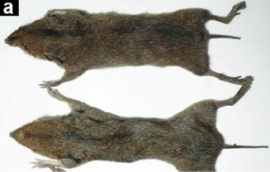
Vietnamese Gymnure (Neohylomys vietnamensis) – Near Threatened

Before this species was discovered in Viet Nam, the genus was only known to have a single species, the Hainan Gymnure (Neohylomys hainanensis), which is only found on the island of Hainan, China. Almost nothing is known about the ecology of gymnures, which sit within the family Erinaceidae (hedgehogs). The species here is tentatively listed as Near Threatened, because it is currently only known to have a small range. Further surveys and research into the distribution, ecology, and threats it may face are needed.

Find the description paper here.

Photo credit: Bannikova et al. 2024 https://mapress.com/zt/article/view/zootaxa.5541.3.2

Hon Khoai Squirrel (Callosciurus honkhoaiensis) – Critically Endangered 

This species is only known from the small island of Hon Khoai in Viet Nam. Its primary forest habitat is being lost and degraded due to road construction and pollution.

Check out this article to find out more about this species and others that are threatened on this tiny island.

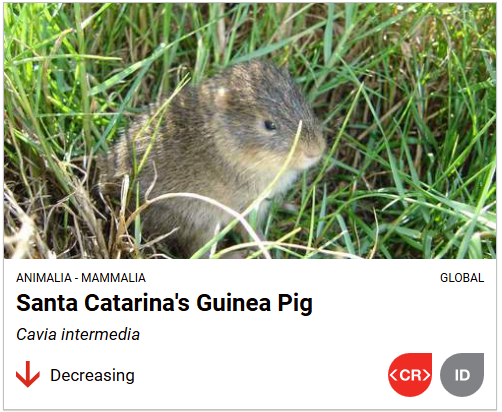
Santa Catarina’s Guinea Pig (Cavia intermedia) – Indeterminate GSS

Cavia intermedia evolved on, and has persisted on, a tiny island for around 8,000 years. Its Species Recovery Category is Indeterminate, which reflects the uncertainty around whether the species is declining; if not, because the species is expected to occur in similar numbers today as it has for centuries, it could be considered Functional. Research is ongoing to verify the population trend. The island is difficult to access, but some hunting may take place occasionally, so without legal protection of the island the species’ would be expected to be worse off but still Present; therefore the Conservation Legacy and Conservation Dependence are both Medium. Looking to the future, there is some probability that a stochastic event (in this case, a fire) could drive the species to extinction within 20 years; therefore, all future scenarios include the possibility of extinction. In light of this, the Conservation Gain is Indeterminate. Because the population currently fluctuates around carrying capacity, it is unlikely that the species could increase to much higher levels, but in the long term, if there was evidence that the species was not declining and that all non-stochastic threats were not operating, the species may yet be considered Fully Recovered. However, the threat of stochastic extinction makes the Recovery Potential for this species Indeterminate.

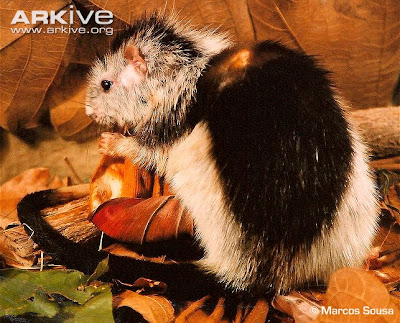
Painted Tree-rat (Callistomys pictus) – Largely Depleted GSS

This Endangered species is endemic to the Atlantic Forest in Bahia State, Brazil. It has a Green Status of Species Recovery Score of 25% (Largely Depleted), reflecting its high extinction risk and low ecological functionality in the sole unit of its indigenous range. Most of the 11 known records are near protected areas, suggesting some benefit from habitat protection. While limited data prevent firm conclusions, conservation may have prevented extinction. The species’ presence in cacao plantations indicates some tolerance to agroforestry, so Conservation Legacy is assessed as Low.

If current protections continue, the species is likely to persist in its present state. Its occurrence in cacao plantations may make it vulnerable to fluctuations in land use driven by market forces. However, a worsening of status is unlikely without major loss of range, which is already likely underestimated. Nine municipalities have been identified for future surveys (Sanchez et al. 2025). Based on these considerations, Conservation Gain is also assessed as Low.

Without protected areas, habitat loss – especially from oil palm expansion – would likely increase. While the species might persist in oil palm to some extent (Sanchez et al. 2025), range contraction would likely occur, but not enough to cause a status decline within 10 years. Conservation Dependence is thus assessed as Zero.

Due to sparse data, true distribution and population size remain unclear. While recovery may not be feasible under worst-case assumptions, improving habitat connectivity, incentivising sustainable cacao, and enhanced monitoring could support range expansion and halt declines, potentially improving the status to Least Concern. Therefore, Recovery Potential is Medium.

A huge thanks to SMSG Intern Salomé for her work to get this species drafted and published.

SMSG summer internship: Ivy Johnson

The SMSG team welcomed Ivy Johnson for a summer internship focussing on Red Listing of some newly described species, reassessments, and creating maps for the extinct species on the list! Hear from Ivy below:

Ivy Johnson

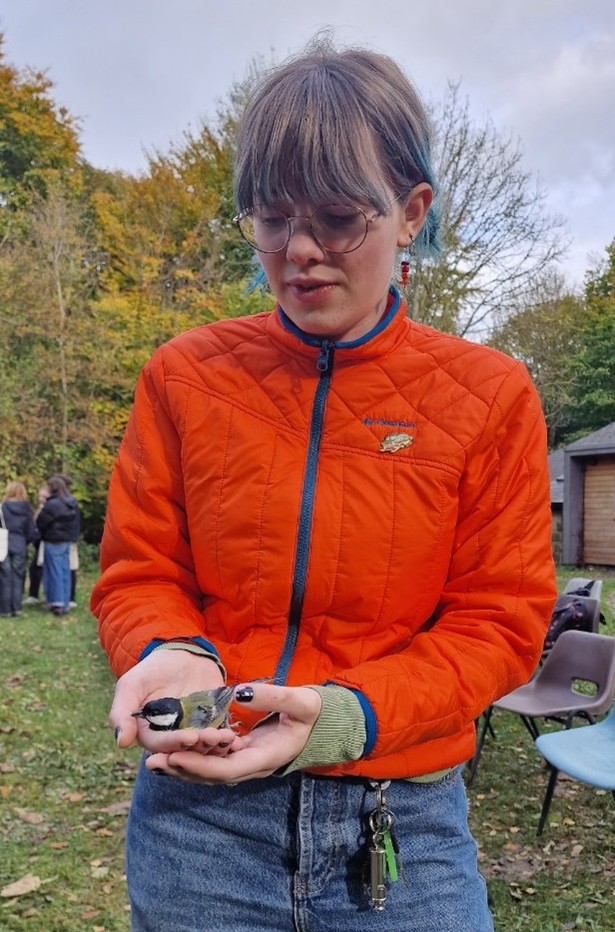
SMSG Intern Ivy Johnson

“I’ve been doing a six week summer internship with the IUCN SSC Small Mammal Specialist Group, working on preparing drafts of Red List assessments with Ros Kennerley. It’s been really interesting to see how even with one or two sources an accurate assessment can be drawn up, allowing a species to be represented on the Red List.
My favourite species that I’ve worked on have been these woolly flying squirrels from the Himalayas and the Tibetan Plateau – they’re really big gliding squirrels and they’re genuinely the cutest thing (as well as some of them being under threat, and generally not well understood with more research being needed). I also did the draft assessment for the brown rat (Rattus norvegicus) though, and found it really rewarding to be able to update the maps for it.
I’ve just finished my first year studying Biology at university, and whilst I’m open to changing my mind, I’m hoping to end up in conservation. I think it’s a really interesting subject whilst also being worthwhile – not just considering the foundational science but the practical implications of biology in the modern world in order to benefit the global ecosystem.


It’s been a really interesting internship – and a massive thanks goes to Ros for organising everything, and correcting all my mistakes!

Some of the species that Ivy has been working on are:

The newly described Fansipan Shrew Mole 

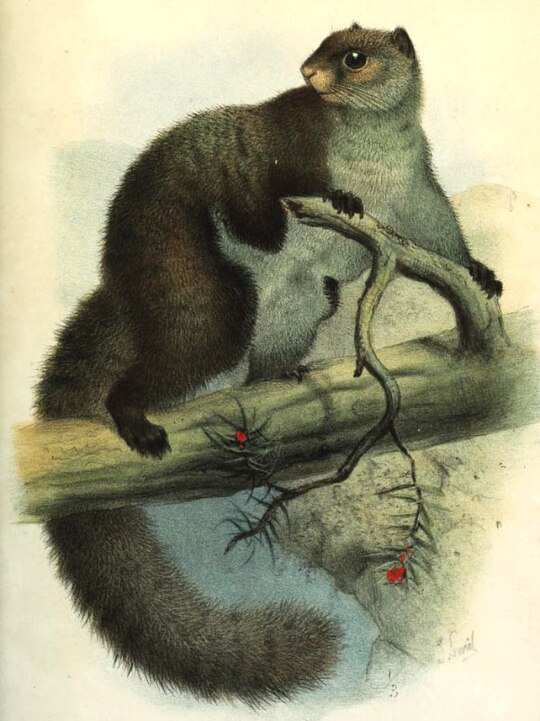
The newly described Woolly Flying Squirrels

Various Extinct small mammals in the Caribbean

SMSG Green Status of Species internship: Ashlynn Stout

The SMSG team welcomes Ashlynn Stout for a summer internship focussing on the Green Status of Species! Ashlynn is based at the Global Center for Species Survival at Indianapolis Zoo. Hear from Ashlynn below:

GSS intern Ashlynn Stout

GSS intern Ashlynn Stout

“I am taking part in a three-month summer internship with the Global Center for Species Survival at the Indianapolis Zoo. This opportunity was made available to me through Butler University, where I will be going into my third year, and its Office of Sustainability. Butler has a fantastic interdisciplinary program for liberal arts, and I major in environmental studies with a minor in ethics. Alongside school, I also volunteer with the Indiana White River Alliance’s River Assessment Field Team, where we test local river streams for water quality. I am passionate about the environment, sustainability, and now conservation because of this internship!

I am working as an intern under Justin Birkhoff, one of the conservation experts at the Global Center for Species Survival. My project is to conduct Green Status of Species assessments for two small mammals, the Salt-marsh Harvest Mouse and the Western European Hedgehog. At the start of my internship, I took the Red List and Green Status trainings through the IUCN to establish my understanding of the Green status process. I have been conducting literature reviews and research to fill out the online workbooks that take me through the Green Status assessments step by step.

One of the coolest parts of this experience is having meetings with conservation experts from all over the world, like the United Kingdom. Additionally, communicating with the species experts directly and asking them questions about their research has been a highlight. My career goals are broad, as I am hoping to do anything in the environmental field that relates to sustainability, conservation, and nature. I am making invaluable connections during this experience, and I am incredibly grateful for the opportunity!”


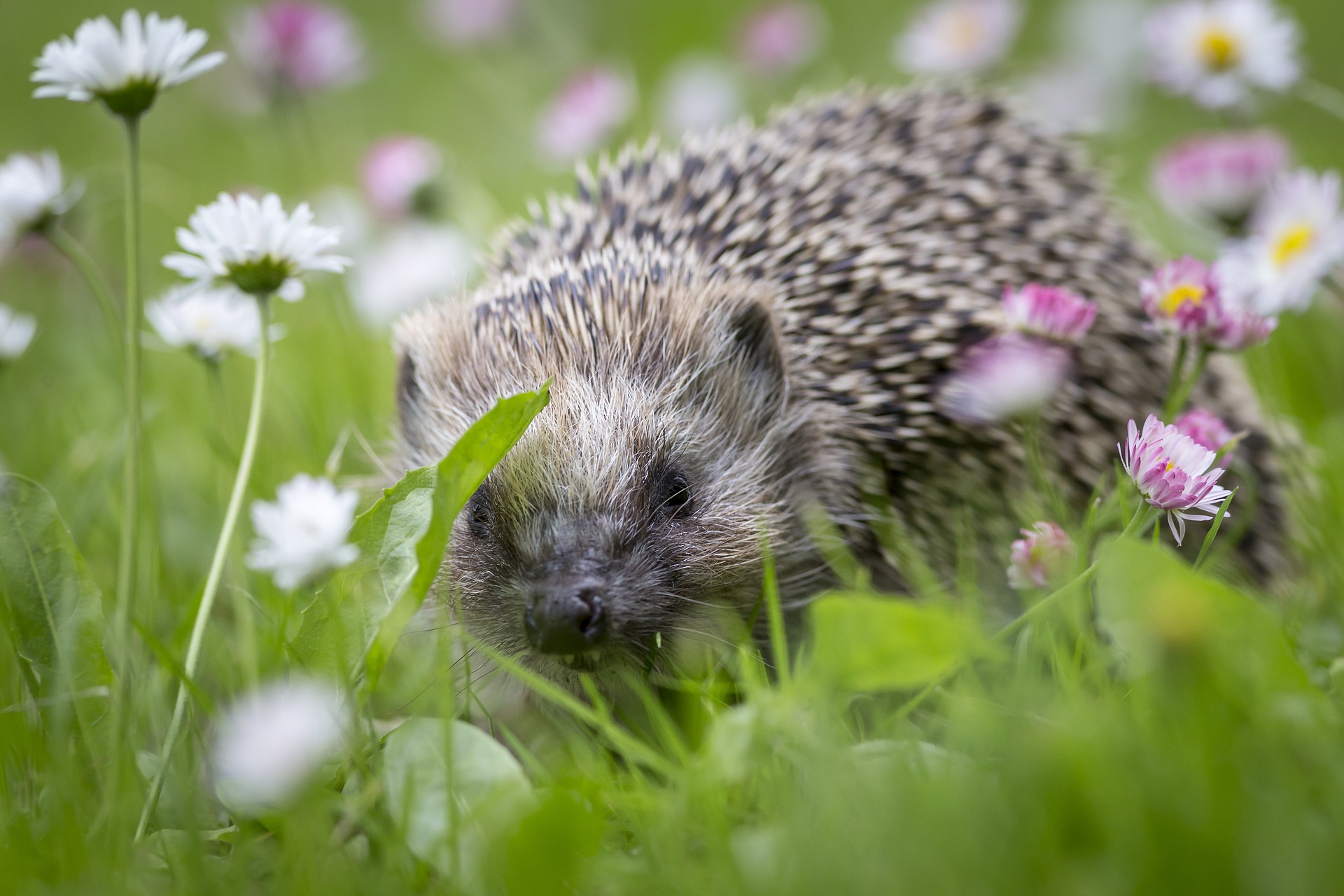
Western European Hedgehog

Western European Hedgehog

Our Programme Officer is moving on

Abi Red List training

We are sad to announce that Abi has left the role of Programme Officer for the IUCN SSC Small Mammal Specialist Group. 

Abi has been in post since May 2022 and was based at Durrell Wildlife Conservation Trust.

Abi is moving on to a full-time position as an Ecologist for a local authority in the UK, but we are delighted to say that she will be staying on as a member of the group and will continue to contribute to a couple of different projects.

—–

Some of Abi’s SMSG highlights:

  • Helping to run the Sulawesi Small Mammal Workshop in 2023 and continuing work on some of its outputs, including the 76 small mammal Red List assessments and successful funding applications with some of the participants
  • Leading the Eulipotyphla assessments for the European Red List Pulse project
  • Global Red List work with species experts worldwide, as well as training at the Red List Unit in Cambridge
  • Working with members and colleagues on publications about Sulawesi, porcupines, solenodons and more
  • Our widely-shared “In defence of rodents” article!
  • Getting to grips with the Green Status of Species
  • Supporting members with proposals, write-ups and project promotion

—–

Abi attending a hedgehog conference at which she met up with SMSG member Brawin Kumar.
Abi taking part in the regional action planning workshop for small mammals of Sulawesi in 2023.
Abi providing IUCN Red Listing training

Abi says:

“Working as the Programme Officer for the SMSG has been brilliant and I will really miss being part of the team. I have especially enjoyed collaborating with and supporting the group’s members all over the world! I feel like I have gained some great insight into small mammal statuses, conservation and research, and hope to remain engaged in small mammal work in the future. I am grateful for the numerous opportunities I have had in this role, so extend a big thank you to the SMSG.”

Thank you for all of your work Abi, from all of us in the SMSG team!

A fond farewell to our Co-Chair, Dr. Tom Lacher Jr.

This month, after 13 years in the role, Tom is stepping down as the Co-Chair of the IUCN SSC Small Mammal Specialist Group (SMSG). Here we look at some of the huge contributions and achievements Tom has made to the group over this period.

Tom replaced Don Wilson as the co-chair of the newly formed SMSG back in 2012, with his focus on developing small mammal work across the Americas. He served as co-chair first with Rich Young and more recently with Ros Kennerley. During his time as Co-Chair, Tom was a professor at Texas A&M University (TAMU), until his retirement a few years ago. Through academic connections and teams of students at TAMU, he oversaw the previous Global Mammal Assessment for the Americas.

Since his retirement from TAMU, Tom has been able to assist in the renewal of the Red List Partnership between TAMU and the SSC and promoted strong continued interest in the SMSG as well as assessment activities more widely, among faculty, staff, and administrators. The university has also renewed an agreement that Tom had previously negotiated with Re:wild to enhance capacity for both Red List and Green Status assessments.

In addition to his work for the SMSG, Tom has had many other engagements with the wider SSC activities. He first became engaged with the SSC when he was Executive Director of the Center for Applied Biodiversity Science at Conservation International in the early 2000s. He helped organise the funding of both the SSC Chair position (at the time Holly Dublin) as well as the first GMA (then under Simon Stuart) – so it has been nearly a quarter century of engagement! Tom also served on the Red List Committee from 2010 to 2023.

Some of Tom’s SMSG highlights:

Tom presenting at the SSC Leaders’ Meeting, 2024

(c) Environment Agency – Abu Dhabi (EAD)

Dr Jon Paul Rodríguez (Chair of the SSC) presenting the Excellence Award to the SMSG co-chairs, 2024
At our SMSG workshop in Puebla, Mexico, 2018

Tom says:

“I have greatly enjoyed and have been enriched by my work with the SMSG and the SSC. I am interested in continuing to support the SMSG in a more informal way by assisting in South America, helping move the assessments forward, supporting colleagues there to develop and submit proposals, and providing guidance to teams wishing to develop planning and action activities related to the SSC’s ASSESS-PLAN-ACT cycle.”

Hear from the SSC Chair, and some of our SMSG members, below.

“This is a bittersweet moment, as Tom has been a major force in this group and SSC in general, so it makes me sad to see him go. But Tom steps down as someone that had great success and left a fantastic group to continue with this work. You leave a substantial legacy.

Many thanks, Tom, for all that you have done for SSC. I look forward to remaining in touch and learning about your continued contributions, as I am certain that they will be great, too.”

“I have known Tom since our days as a graduate student at the University of Pittsburgh, back in the late 1970s. Since then, we have maintained contact at different conferences and exchanged frequently on various topics related to the distribution, ecology, and conservation of Neotropical mammals.

My impression of Tom is that of an exceptional biologist with deep knowledge in various fields of mammalian biology. The diversity of topics developed in his scientific contributions is proof of this.

For several years Tom has been driving the appropriate means and space to translate much of his knowledge from basic research into the promotion of policies and strategies for the management of mammalian biodiversity conservation, particularly small mammals.

I particularly highlight his interest in promoting research related to small mammal species with knowledge gaps regarding their distribution, ranges of occupancy, abundance, and their relationship with protected area systems.

His departure from the IUCN SSC Small Mammal Specialist Group leaves an important foundation on which to continue diversifying and consolidating the path toward a more robust biodiversity conservation biology.

Of course, several of us understand that stepping down as Co-chair does not mean Tom is retiring from the small mammal research community and his pertinent and always sought-after expert opinion…

Cheers, Tom, and a good life, my friend!”

“I have been impressed by Tom’s generosity and grit – over so many years – to care about threatened species and to fight on how to protect them.”

“Tom’s charm and enthusiastic leadership made the Small Mammals assessment in Puebla, México, one of the most enjoyable and fulfilling workshops I have ever participated in.”

Thank you for all of your work over the years Tom, from all of us in the SMSG team.